Hard Water Stain Removal Albuquerque: Spots, Cloudy Glass, and Etched Windows
Hard water stain removal Albuquerque works best when the spots are fresh. White spots from sprinklers or swamp coolers usually come off completely, while glass that has been hit for years can etch and may only partly clear. Most Albuquerque homes pay about $10 to $20 per pane for light spots and $30 to $50 or more per pane when the glass needs polishing.
Spot Test Before Treatment
Safe for Tempered and Low-E Glass
Purified Water Final Rinse
Why Albuquerque Windows Get Hard Water Stains
Hard water carries dissolved calcium and magnesium. When a drop dries on glass, the water evaporates and the minerals stay behind, mostly as calcium carbonate. Water counts as moderately hard at 61 to 120 mg/L and hard at 121 to 180 mg/L, and Albuquerque tap water falls in that moderately hard to hard range. Private wells in the North Valley and Corrales carry their own mineral mix, often heavier.
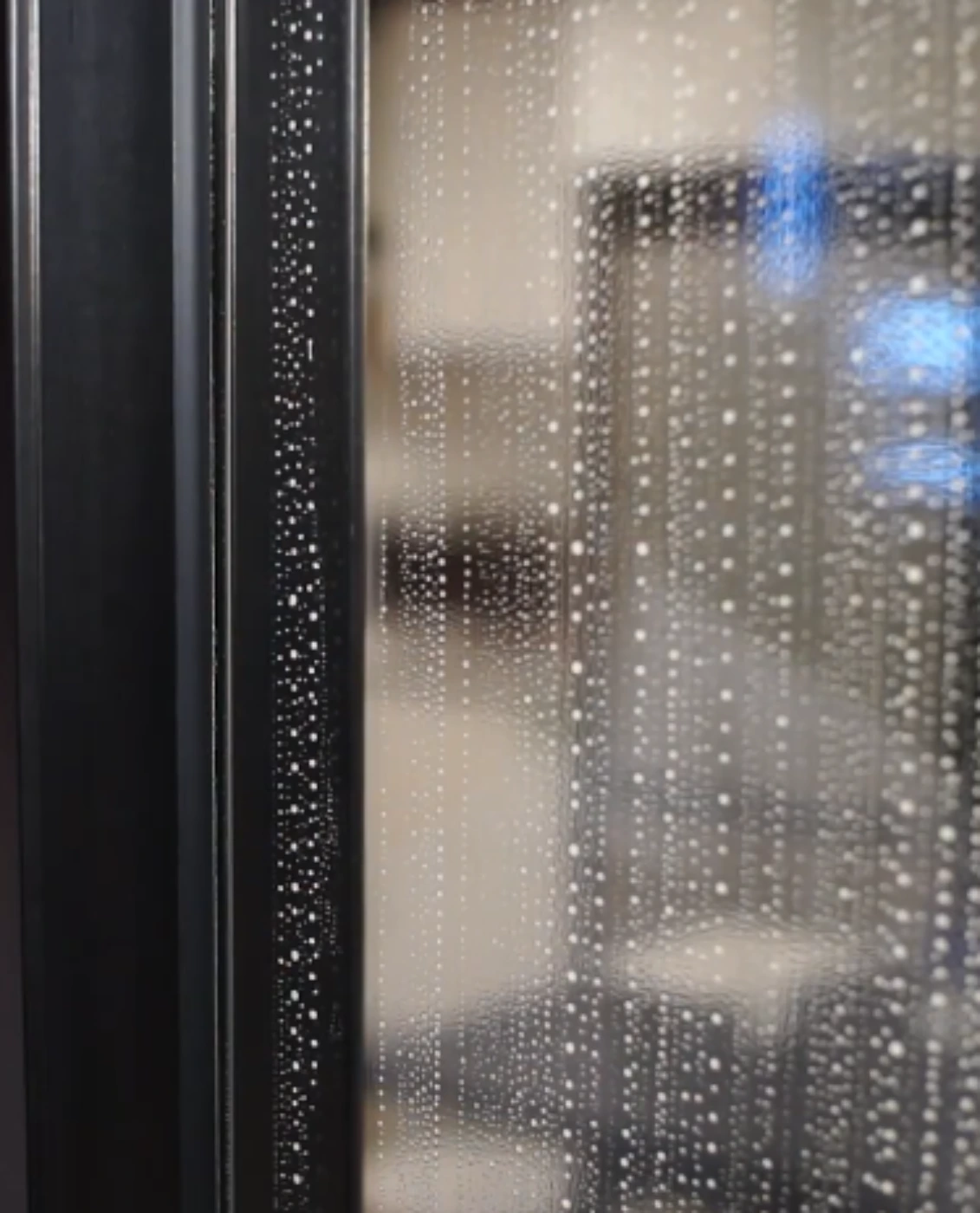
The high desert makes it worse. Low humidity and strong sun dry every drop in minutes, so minerals bake onto the glass before anyone can wipe them. Windblown sprinkler spray leaves tightly bonded residue, and water running over stucco, masonry, and sealants carries even more of it onto the windows below. The usual culprits:
- Sprinklers and drip lines. Spray drifts onto lower panes and dries as dotted white spots.
- Swamp coolers. Bleed-off water and overflowing pans send mineral water down walls and across windows.
- Canales. Roof spouts on flat-roof Pueblo Revival homes drip a narrow stripe of runoff down the glass.
- Garden hose rinses. Rinsing windows with tap water and letting them air dry spots the entire pane.
Fresh spots come off cleanly. The longer minerals sit in the sun, the harder they bond, so early water stain removal costs less and works better. After removal, routine window cleaning Albuquerque service keeps new spots from building up.
Read the Stain Pattern on Your Glass
Where a stain sits on the window tells you what caused it, and what to change so it stops coming back. That quick read is the first step of any hard water stain removal in Albuquerque, because the source decides how fast spots return.
| What you see | Where it comes from | Fix at the source |
|---|---|---|
| Dotted spots on lower panes | Sprinkler or drip spray | Re-aim heads away from the glass |
| White streaks running down from the roofline | Swamp cooler bleed-off water | Reroute the cooler drain line |
| A narrow vertical stripe | Runoff from a canale on a flat-roof home | Extend or redirect the canale |
| Spots across the whole window | Rinsing with a garden hose | Rinse with purified water, or dry right away |
| Cloudy film on shower doors | Daily shower spray | Squeegee after each shower |
Removing stains without fixing the water source only resets the clock.
Swamp Cooler Stains on Windows
White streaks that start under a roof cooler and run down the glass are mineral deposits from cooler water. They are one of the most common hard water problems in Albuquerque, and one of the easiest to prevent.
Why coolers stain glass
Many evaporative coolers drain part of their water on purpose through a bleed-off line, which keeps minerals from building up in the pan. A stuck float valve can also overflow the tray. Either way, mineral-heavy water spills down the wall and dries on every window below it.
How to tell them apart
Cooler stains start high and run downward in streaks. Sprinkler spots are dots on the lower half of the glass. Both come off the same way, but the fix at the source is different.
Stop them for good: have the cooler drain line moved so the water lands on gravel or a plant bed, not your windows. Spring, before you start the cooler for the season, is the easiest time to do it.
Spots or Etched Glass? A 60-Second Test
Try this on one stained pane before you call anyone. It tells you whether the glass needs simple cleaning or restoration.
- Vinegar testSoak a soft cloth in white vinegar, hold it on the spot for one minute, then wipe. If the spot fades, it is surface mineral buildup and it can be removed.
- Fingernail testIf the spot stays, drag a fingernail across it. A rough or pitted feel points to etching, where minerals have started to eat into the glass.
- Between the panes?If the haze sits inside a double-pane window, the seal has failed. No cleaning reaches it, and a glass shop has to replace the sealed unit.
| Stage 1: mineral deposits | Stage 2: etched glass | |
|---|---|---|
| Looks like | White spots or a chalky film | Cloudy glass that stays hazy after cleaning |
| Feels like | Smooth or slightly gritty | Rough or pitted |
| Fix | Mineral deposit removal with a mild acid made for glass | Polishing, which improves the glass but may not fully clear it |
How Professionals Handle Hard Water Glass Stain Removal
A careful pro follows the same order laid out in the glass manufacturer technical guidance on residue, and never skips the test.
- Test firstTreat a few panes to check the result and the cost before doing the whole house.
- Work out of direct sunCleaners dry too fast on hot glass, so west-facing windows in the Northeast Heights are best done in the morning.
- Dissolve surface mineralsA mild acid made for glass breaks down the calcium, then the pane gets a thorough rinse.
- Polish etched areasOptical-grade cerium oxide paste goes on with light pressure of two to four pounds. It is an abrasive, so pushing harder can scratch.
- Rinse with purified waterA final rinse with purified water and a squeegee dry keeps tap water from leaving new spots.
Coated and specialty glass: these methods are for uncoated glass. Low-E coatings, tinted film, and tempered glass need a provider who identifies the glass type before any acid or polish touches it. Safe hard water glass stain removal always starts with knowing what the glass is.
What Never to Use on Your Windows
The glass industry advises against scrapers, abrasives, and harsh chemicals on any glass product, because the damage they cause cannot be repaired. That rules out:
- Razor blades on tempered glass. They can drag tiny factory particles across the surface and leave scratches.
- Toothpaste, scouring powder, steel wool, and baking soda scrubs. All of them are abrasives that dull glass and wear coatings.
- Toilet bowl cleaners. Strong acids can harm frames, seals, and the stucco around the window.
- Pressure washing with tap water. It adds more minerals than it removes.
Cost of Hard Water Stain Removal in Albuquerque
Hard water window stain removal is priced per pane by how heavy the buildup is, usually added to a regular window cleaning visit.
| Stain level | Typical price |
|---|---|
| Light spots, chemical removal | $10 to $20 per pane |
| Heavy buildup, more than one treatment | $20 to $30 per pane |
| Etched glass, cerium oxide polishing | $30 to $50+ per pane |
| Large or hard-to-reach glass | $75 to $100 per hour |
| Typical whole-home stain job | $120 to $400 |
What raises the price
Etching that needs polishing, second-story or hard-to-reach glass, Low-E or tinted glass that needs gentler products, and stains that have been baking in the sun for years. Heavy hard water deposit removal on etched panes takes the most time per window.
How to get an accurate quote
Ask for water stain removal as its own line item, with a test pane first. A quote that skips it usually leaves the same white spots behind. Storefronts and offices are handled through our commercial window cleaning service.
Price ranges updated October 2026.
Keeping Hard Water Stains From Coming Back
Stopping the water is far cheaper than hard water deposit removal later. Each habit below also keeps your next hard water stain removal in Albuquerque quick and low-cost.
- Re-aim sprinklers each spring. The Water Authority’s time-of-day watering rules allow spray irrigation only from 7 p.m. to 11 a.m., April 1 to October 31, so April 1 is a good day to walk the yard and turn heads away from glass.
- Reroute the cooler drain before cooler season starts, so bleed-off water lands on gravel instead of windows.
- Watch canales on Pueblo-style homes in Old Town and the Valley, and extend any spout that drips past a window.
- Clean on a schedule. Spots removed every few months never get the chance to etch.
- Ask about a protective glass coating after restoration. It helps water bead off, though vinegar and harsh cleaners can strip it.
What to Have Ready for a Hard Water Quote
A few details help a provider give you a firm price on the first call.
- Count the panes with spots and note which side they are on, inside or outside.
- Run the vinegar and fingernail test on one pane.
- Check whether the glass is tinted, Low-E, or tempered, if you know.
- Note the likely source: sprinklers, a swamp cooler, a canale, or a hose.
- Take two or three close-up photos of the worst spots.
Hard Water Stain Removal Albuquerque: FAQs
Straight answers to what Albuquerque homeowners ask about water spots, etched glass, and what actually removes them.
Get a Free Hard Water Stain Removal Quote
Tell us roughly how many panes have spots, where they are, and whether the glass feels rough after cleaning.
Fill out the form for a free quote, or call (505) 369-4105 to talk to someone now.